Essential Tips for Choosing the Right Surgical Instruments?
Selecting the right Surgical Instruments is crucial for successful surgical outcomes. A recent report by the World Health Organization highlights that improper instrument choice can lead to increased complication rates. Surgical instruments, when accurately selected, enhance efficiency and ensure patient safety.
Healthcare professionals often struggle with the vast variety of instruments available. According to a study published in the Journal of Surgical Research, approximately 30% of surgical errors are attributed to instrument-related issues. This statistic emphasizes the importance of informed decision-making during the selection process.
Choosing surgical instruments involves not only understanding their functions but also recognizing quality standards. Research indicates that subpar instruments can result in longer recovery times and potential reoperations. Therefore, it is essential to prioritize the right tools for every procedure. In an industry where precision matters, reflection on past choices is vital for continuous improvement.
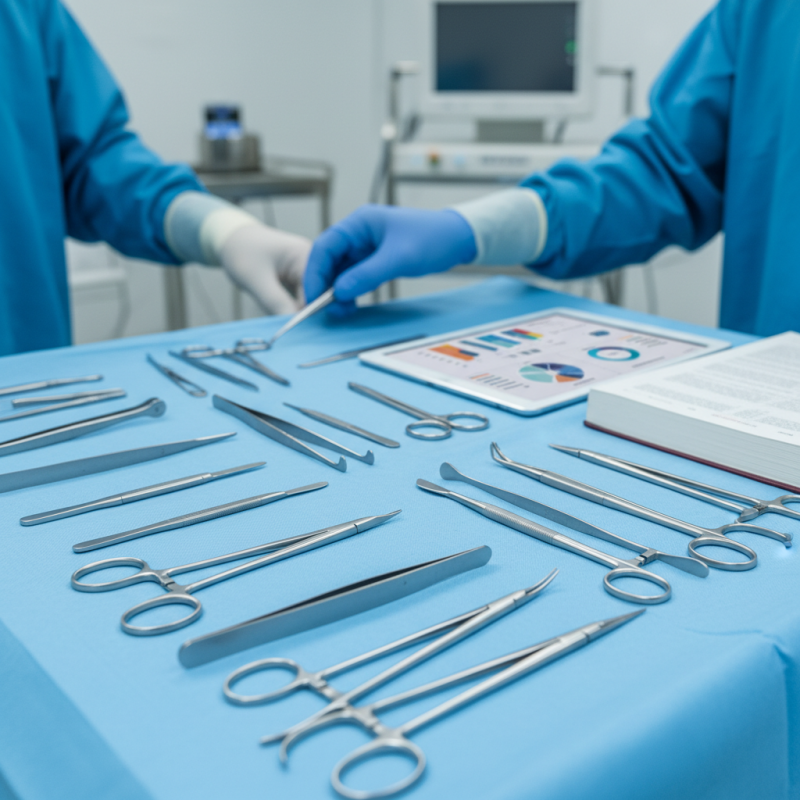
Understanding the Importance of Quality in Surgical Instruments
Choosing the right surgical instruments is vital in delivering high-quality patient care. Quality in surgical instruments can directly impact surgical outcomes. Poor-quality tools may increase risks during surgery, leading to complications. They can also cause unnecessary delays, affecting both the patient and the surgical team.
When selecting surgical instruments, consider their durability and precision. High-quality materials ensure instruments can withstand repeated use. However, not all instruments that look good on the surface are functional. Some may feel lightweight or flimsy, showing signs of wear quickly. Surgeons should pay close attention to craftsmanship. Examining the finishing and sharpness is crucial, as these factors drastically affect performance.
Regular maintenance and inspections matter as well. Instruments may lose their effectiveness over time, even if they are initially of high quality. Surgeons must invest time to evaluate their tools consistently. The right choices contribute significantly to successful procedures. Quality instruments can enhance the reliability of surgical outcomes, but they require responsibility and reflection from the team.
Key Considerations in Selecting Surgical Instruments for Specific Procedures
When selecting surgical instruments for specific procedures, the purpose is crucial. Different surgeries require unique tools. Understanding these needs helps in making informed choices. For example, delicate procedures like microsurgery demand precision instruments. They should be lightweight and finely calibrated.
Additionally, it's important to assess the material of the instruments. Stainless steel is common, but not all stainless steel is equal. Some alloys may offer better corrosion resistance than others. A lack of focus on quality could lead to complications. Regular maintenance of these instruments is also necessary. Lack of care can result in dull blades or improper function during surgery.
Another key aspect is ergonomics. Instruments should fit comfortably in surgeons’ hands. Poorly designed instruments can lead to fatigue and mistakes. Observing experienced professionals can reveal insights about comfort preferences and functionality. Sometimes, the best choice is not the most expensive option. Balancing cost and effectiveness often reveals the true value of surgical instruments.
Evaluating Materials: Essential Attributes of Surgical Instrument Construction
When choosing surgical instruments, material evaluation is crucial. The construction of these tools affects durability and performance. Stainless steel is commonly used due to its strength and resistance to corrosion. However, not all stainless steels are created equal. Some grades are better suited for specific procedures, influencing precision and longevity.
Titanium is another option. It is lightweight and durable, making it suitable for delicate surgeries. Its biocompatibility reduces the risk of rejection during procedures. But titanium can be more expensive. The balance between cost and quality often leads to difficult choices for medical professionals.
Plastic instruments are lightweight and disposable. They serve well in procedures requiring low risk of contamination. However, they lack the durability of metal options. Relying solely on plastic can be a shortsighted decision. Surgeons should weigh each material's pros and cons carefully. Reflecting on past experiences with different tools can guide future choices.
Assessing the Role of Ergonomics in Surgical Instrument Design
When selecting surgical instruments, ergonomics plays a crucial role. Properly designed instruments can significantly reduce physical strain during surgeries. For surgeons, long hours mean fatigue and discomfort. Thoughtful design can mitigate these issues. This involves considering the shape, weight, and grip of each instrument.
Instruments with an ergonomic shape fit comfortably in the hand. A good grip prevents slippage, adding to precision. However, not all instruments prioritize ergonomics. Some designs ignore this crucial aspect, leading to discomfort and inefficiency. A surgeon’s technique can suffer due to inadequate instrument design.
It's essential to test instruments before use. A fitting demonstration can highlight any ergonomic issues. Surgeons should discuss their experiences with peers. By sharing feedback, the community can drive better ergonomic standards. Ultimately, thoughtful design combines comfort and efficiency, enhancing surgical outcomes.
The Impact of Sterilization and Maintenance on Surgical Instrument Lifespan
Proper sterilization is crucial for surgical instruments. It directly affects their lifespan and functionality. Instruments that are not adequately sterilized can harbor bacteria. This increases the risk of infections during surgeries. Regular cleaning, followed by high-level disinfection, is essential. Simple cleaning with soap and water is not enough.
Maintenance practices also play a significant role. Instruments should be regularly inspected for wear and tear. Any signs of corrosion can mean it's time to replace them. Even minor defects can compromise a procedure. It’s essential to have a system in place for tracking the condition of each instrument. Skipping regular inspections can lead to serious outcomes.
Sterilization methods vary and can impact instruments differently. Some materials react poorly to certain sterilization processes. Understanding these nuances is important for extending lifespan. While it's easy to overlook these details, doing so can lead to costly errors. Surgical teams must stay vigilant. Regular training on proper handling and maintenance is necessary for everyone involved.
Impact of Sterilization and Maintenance on Surgical Instrument Lifespan


