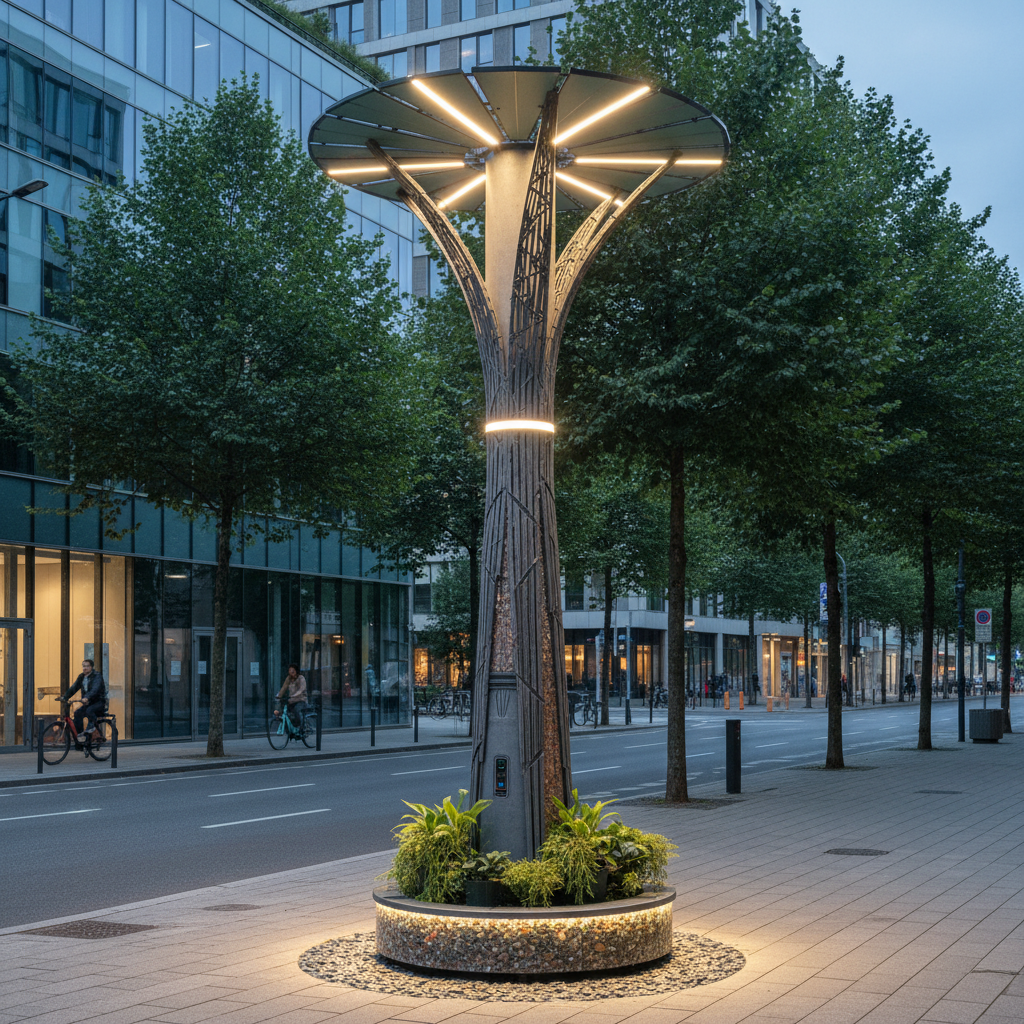
2025 Top 10 LED Light Poles Revolutionizing Urban Lighting Solutions
As urban environments continue to evolve, the demand for innovative and efficient lighting solutions has never been greater. The integration of LED light poles into city infrastructures is at the forefront of this revolution, providing not just illumination but also opportunities for smart city applications. According to a recent report by Grand View Research, the global LED lighting market is projected to reach $105.53 billion by 2027, with a compound annual growth rate (CAGR) of 13.5%. This significant growth underscores the critical role of LED light poles in enhancing urban aesthetics, safety, and energy efficiency.
The advancement of LED technology has led to a remarkable transformation in urban lighting systems. Traditional streetlights consume significantly more energy and require extensive maintenance, contributing to rising operational costs for municipalities. In contrast, LED light poles offer a sustainable solution, reducing energy consumption by up to 75% compared to conventional lighting options. Furthermore, the implementation of smart features—such as adaptive brightness, motion sensors, and integration with IoT platforms—ensures that cities can optimize their lighting systems based on real-time needs, enhancing overall urban management.
In this context, we explore the top 10 LED light poles set to revolutionize urban lighting solutions by 2025. These innovative products not only promise energy savings and reduced maintenance costs but also pave the way for a smarter, more connected urban experience. As cities worldwide grapple with challenges such as pollution, safety, and energy consumption, the adoption of cutting-edge LED light poles is an essential step toward achieving a sustainable and modern urban landscape.
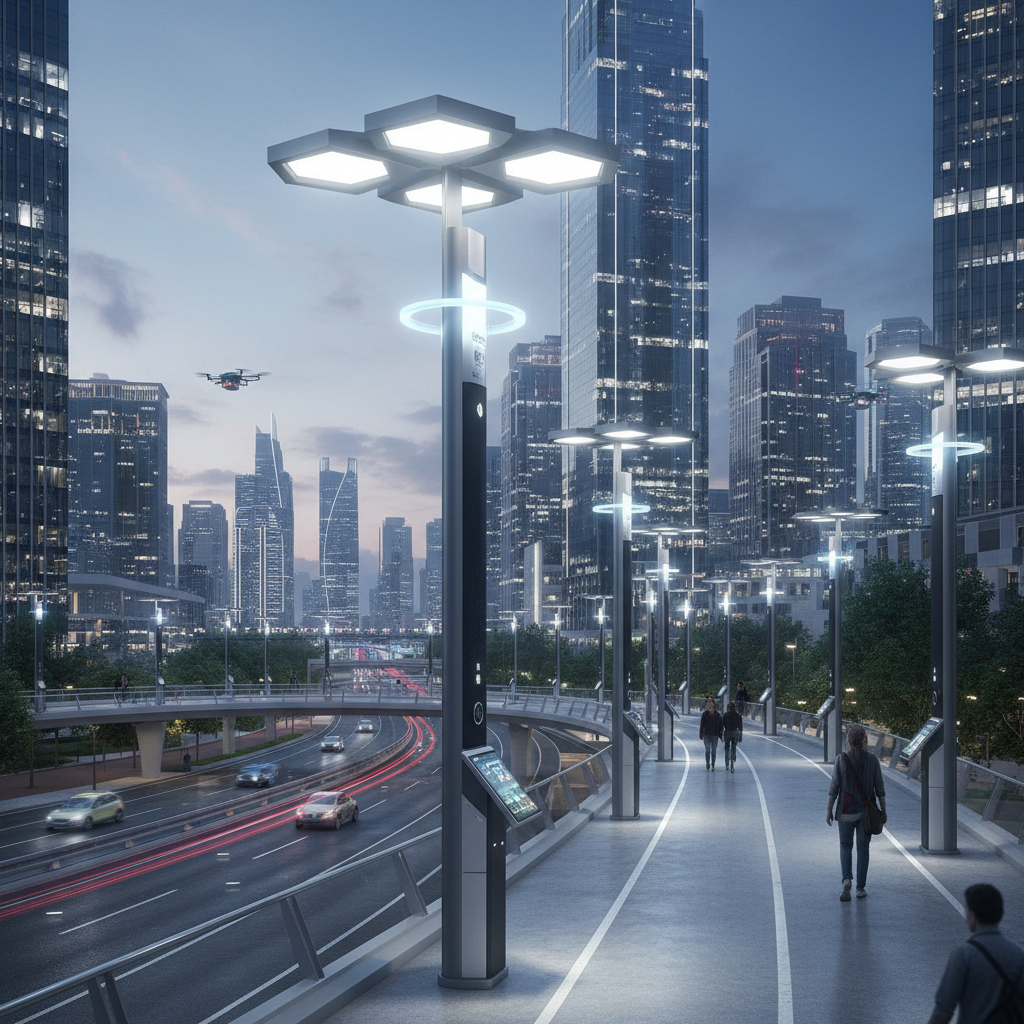
Innovative Features of 2025's Top 10 LED Light Poles
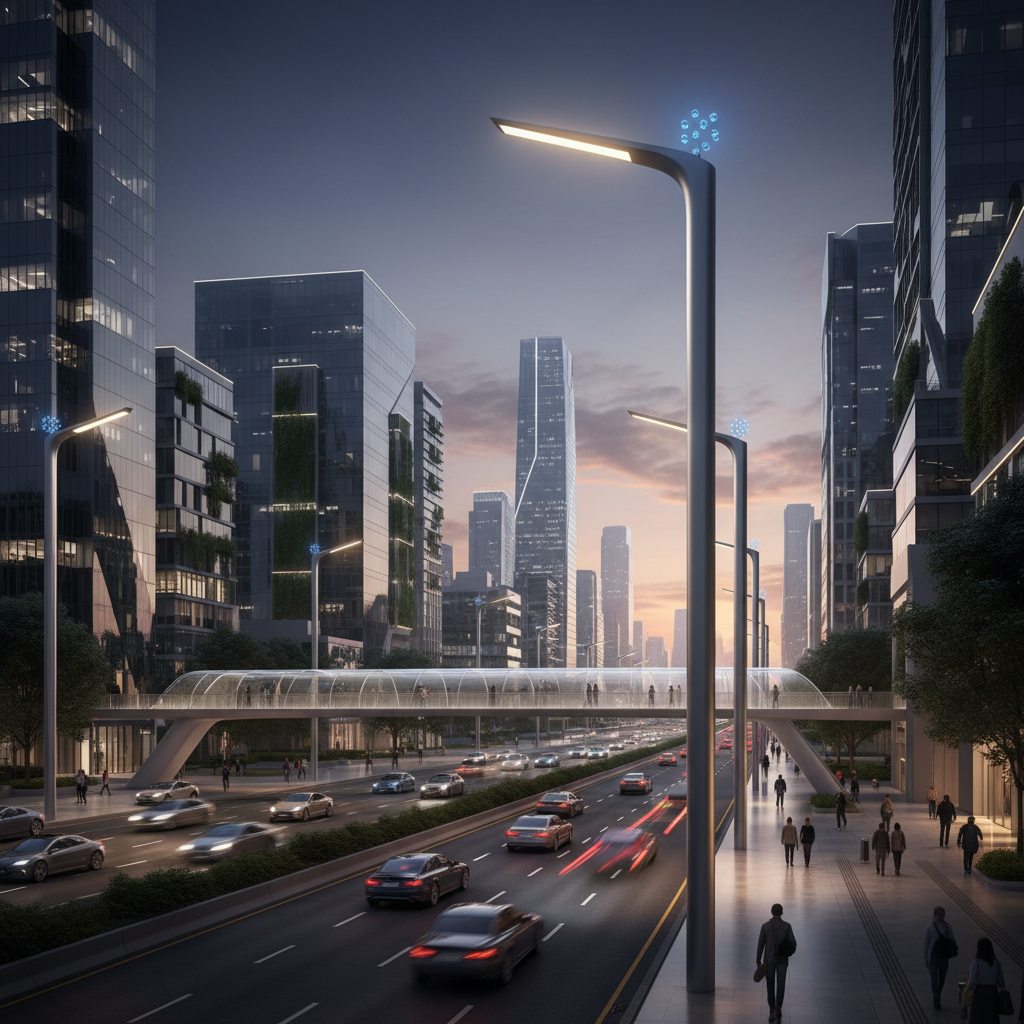
The urban landscape is undergoing a significant transformation with the introduction of next-generation LED light poles designed to enhance energy efficiency and urban aesthetics. According to a recent report by the International Energy Agency, LED lighting can reduce energy consumption by up to 80% compared to traditional lighting systems. The 2025 models incorporate innovative features such as smart sensors, which enable adaptive brightness levels based on real-time environmental conditions. This capability not only conserves energy but also improves visibility and safety in urban areas.
Additionally, leading manufacturers have integrated advanced materials and designs that optimize durability and reduce maintenance costs. For instance, smart poles with integrated solar panels are gaining traction, allowing cities to harness renewable energy and further decrease reliance on the grid. The National Renewable Energy Laboratory reports that cities deploying these solar-integrated poles can achieve a payback period as short as five years. With features like real-time monitoring and connectivity options for IoT applications, these top 10 LED light poles are setting new benchmarks in urban lighting solutions, paving the way for smarter, more sustainable cities.
Smart Technology Integration Enhancing Urban Lighting Efficiency
The integration of smart technology into urban lighting systems is driving a significant transformation in how cities illuminate their streets. According to a recent report by the International Energy Agency, smart lighting solutions can reduce energy consumption by up to 70% compared to traditional lighting systems. This is accomplished through advanced features such as motion sensors, which ensure that lights are only activated when needed, and adaptive dimming technology, which adjusts brightness based on the surrounding light conditions. Such enhancements not only promote energy efficiency but also lower operational costs for municipalities.
Moreover, smart lighting poles are evolving into multifunctional urban assets. As indicated by a study from the Smart Cities Council, cities that integrate smart lighting with IoT capabilities can create networks capable of collecting real-time data on foot traffic, air quality, and even energy use. This data informs city planners and enhances public safety by illuminating areas based on pedestrian activity. With cities around the world increasingly investing in these technologies, the future of urban lighting appears brighter than ever, optimizing both efficiency and functionality while promoting a sustainable urban environment.
Sustainable Materials and Energy Solutions in Modern Light Poles
As cities continue to evolve, the demand for sustainable urban lighting solutions has never been higher. In 2025, the top 10 LED light poles are set to revolutionize urban spaces by integrating eco-friendly materials and energy-efficient technologies. These modern light poles not only illuminate streets but also contribute to a greener environment. Many of these designs utilize recycled materials or sustainably sourced components, minimizing their carbon footprint while providing optimal lighting.
When choosing LED light poles for urban projects, consider the lifespan of the materials used. Opt for coatings that resist corrosion and are suitable for various weather conditions, ensuring longevity and reduced maintenance costs.
Incorporating smart technology into light poles significantly enhances energy solutions. These poles often come equipped with sensors that automatically adjust brightness based on real-time conditions, conserving energy when full illumination is unnecessary. This approach not only cuts costs but also helps cities reduce their overall energy consumption. Choose poles that offer wireless connectivity options, allowing for remote management and monitoring of energy usage, which can further optimize urban lighting efficiency.
Design Trends: Aesthetic Appeal Meets Functional Urban Lighting
The evolution of urban lighting has witnessed a remarkable transformation, where aesthetic appeal aligns seamlessly with functional design. As cities seek to enhance their nighttime landscapes, LED light poles emerge as a vital component of modern urban infrastructure. These innovative poles are not just sources of illumination; they are integral to the visual identity of urban environments, blending seamlessly with architectural elements and public spaces. Designers are focusing on sleek lines and contemporary materials that elevate the overall ambiance, making lighting not just functional, but also an artistic statement.
Furthermore, sustainable design trends are shaping the future of urban lighting solutions. Many LED light poles now incorporate flexible designs that adapt to various urban settings, from parks to bustling city streets. Features like integrated smart technology, solar panels, and adaptive lighting systems ensure that these poles not only reduce energy consumption but also contribute to the overall sustainability of city life. The fusion of style and function in these innovative lighting solutions illuminates the path forward for urban design, promising to create safer, more inviting spaces for residents and visitors alike.
Future-Proofing Urban Environments with Smart Lighting Solutions
As urban environments continue to expand, the need for innovative lighting solutions has never been more critical. The integration of smart lighting technologies is revolutionizing urban spaces, making them safer, more efficient, and environmentally friendly. According to a recent report by the International Energy Agency, smart lighting can reduce energy consumption by up to 80% compared to traditional lighting systems, highlighting its potential for sustainable urban development. The future-proofing of urban spaces relies on these advancements, enabling cities to adapt to changing needs while minimizing their carbon footprint.
When considering the implementation of smart lighting, it’s essential to focus on efficiency and adaptability. Opt for LED light poles equipped with sensors that adjust lighting based on real-time pedestrian activity. A study from Verdantix indicates that cities utilizing smart street lighting can expect a return on investment of over 500% within five years, thanks to reduced energy costs and enhanced public safety.
**Tips:**
1. Invest in smart sensor technology to optimize energy usage based on actual demand.
2. Prioritize modular designs for easy upgrades to ensure your lighting system remains compatible with future technologies.
3. Collaborate with urban planners and stakeholders to discuss community needs and preferences, ensuring the lighting solutions enhance public spaces effectively.
2025 Top 10 LED Light Poles Revolutionizing Urban Lighting Solutions
This chart illustrates the projected adoption rates of various advanced LED light poles designed to enhance urban lighting solutions by 2025.